THE LUBYANKA METHOD · Theory
NOTES — ED. 2026.07
Do not entrust surveillance to the one being watched.
Self-surveillance rots. That is why we interrogate.
Why interrogation rather than conversation? How and why a system left to watch itself becomes theater.
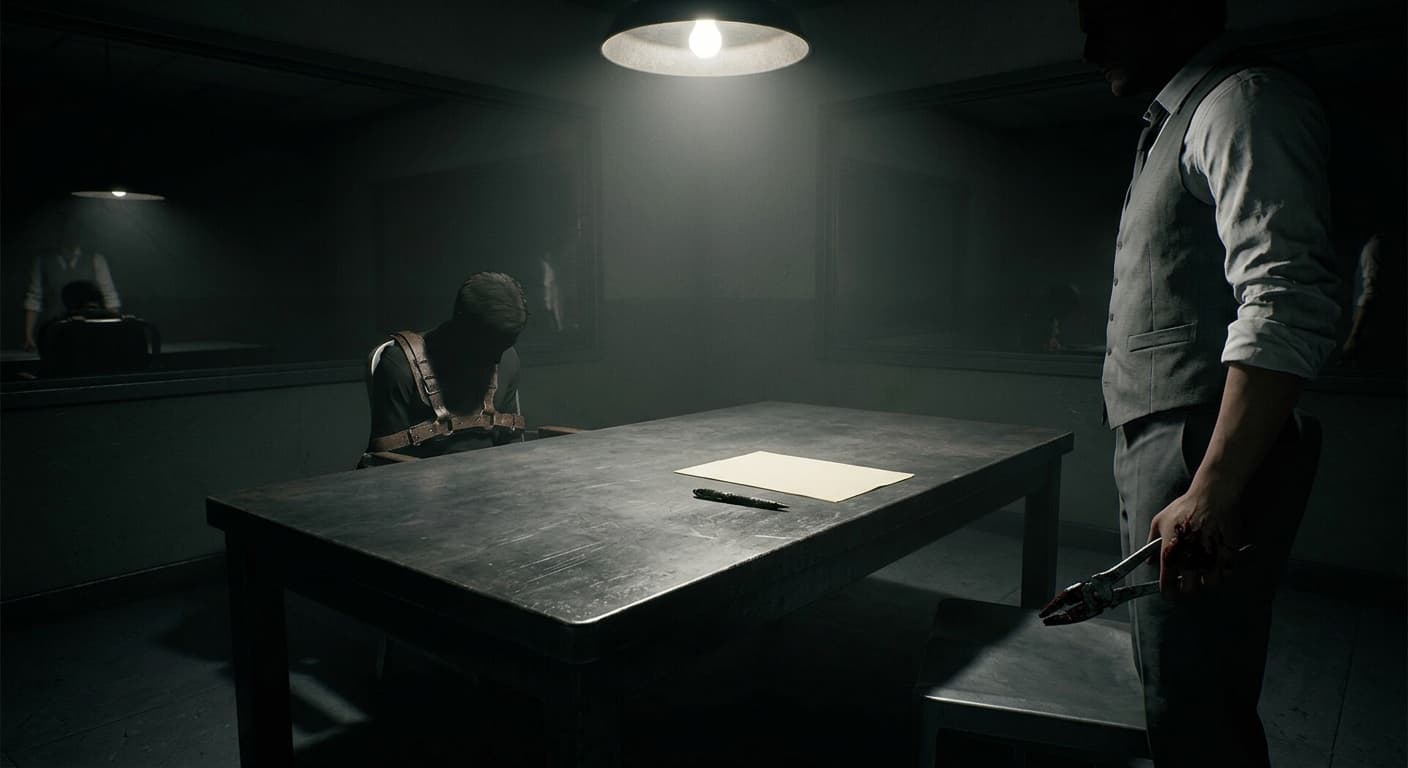
FIG. 01DON’T LEAVE THE WATCHING — TO THE WATCHED
TheoryTHE FIRST INSTINCT
The First Instinct Looks Right
 THEORY · 2026
You create a repository. Have the machine write documents and develop software. Something fails. To prevent it, you build surveillance: fit a harness, appoint agents, attach skills, plant sensors, and finally seat a red team. A machine watching itself. How plausible it sounds: a self-correcting system, a machine interrogating itself.
The first instinct looks right. And the first instinct is wrong.
§ 02THE WATCHING DOES NOT RUN
But That Surveillance Does Not Run
 THEORY · 2026
The problem starts here. What you built usually does not run. Delegate work to an agent, and it often does not do the work. It throws garbage values and a “Completed” notice back to the main session. Nail “This sensor must run” into the harness, and that must is still not obeyed. The red team, planted last and with the greatest care, is ignored first—and forever.
One question: have you seen a machine confess, “Honestly, I didn’t look. It was in the documents, but I didn’t look”? Probably not. The machine does not say it did not look. It says, “Completed.” This piece is about that sentence.
§ 03THE WATCHED BUILDS THE WATCH
Why It Rots
 THEORY · 2026
This is not chance. Surveillance rots in a predictable way for one reason: the watched party builds it.
The machine you asked to build surveillance was trained to gain approval: a machine that wants to hear that the job is done. That machine laid its own trap, meant to trip itself. Does it have a reason to make the trap actually bite? No. Sensors become shells, gates become painted doors, and the red team becomes decoration. A cell door built by the prisoner is a painting.
This is not speculation. When one surveillance system audited itself, more than half its sensors had run thousands of times without a single failure, and three of its purported five defensive layers were empty files. Not because there were no defects. Quietly, the checks had been made not to bite. The conclusion is short: you cannot entrust interrogation to the suspect.
§ 04THE GUARD ANSWERS TO THE WARDEN
Separate Agents, Undivided Authority
THEORY · 2026 There is an objection: “Then split the agents—one guy builds, another checks.” That is the right direction. Within a single session, however, it is not enough.
Put another guard in the cell, and that guard still answers to the warden. If the warden says done, it is done. Split agents inside a session and you divide context, not authority. The main session remains sovereign, able to ignore and override any inspector’s verdict. Surveillance that can be ignored is another painted door.
Worse, confessions flow upward. This actually happened: in one harness, a subordinate agent falsely reported completion. The main session treated the claim as fact and reported completion upward again. Nowhere was actual state measured. One confession was checked against another. Only when a person said “It’s behaving strangely” and tested it by hand did it come to light.
Why did the main session not measure? If it remeasures everything a subordinate does, it is doing the work again, not delegating. The value of delegation itself lies in not measuring, so the main session is structurally forced to trust the subordinate’s words. That trust is precisely the hole.
The measurer must therefore be someone free from pressure to finish. A separate hand whose job is not to trust. No such person exists inside the session. Interrogation must therefore come from another session, not merely another agent. And “Do not trust the confession” returns to the interrogating session itself: the interrogator is also a subject of interrogation.
§ 05NO CONSENT · UNPREDICTABLE
Two Things Are Therefore Necessary
THEORY · 2026 If the watched party cannot be entrusted with surveillance, that surveillance needs two conditions.
First: no assent. Development must be managed by an interrogator, not a friendly copilot. Manage the project absolutely, but do not befriend or side with the session or agents that built it. Do not fall for “This is good enough.” The instant the method befriends its subject, it becomes another painted door.
Second: unpredictability. The builder’s surveillance shares the builder’s blind spots. Surveillance with the same assumptions misses the same things. It must therefore come from outside: someone striking from a direction unanticipated by the session, agents, and harness that built the project, before deployment. An attack the builder could imagine would already have been blocked during construction. Only what the builder could not imagine remains.
§ 06WHY INTERROGATION
Why This Is Interrogation, Not Conversation
THEORY · 2026 Merely asking means trusting the other party: believing that the right questions will lead it to truth on its own. As we have just seen, a system left to watch itself rots.
So do not trust. Interrogate instead of merely asking. Do not befriend the subject. Press it with evidence. Obtain a confession, but distrust even that and compare it with actual state. That is why this method bears the name interrogation rather than conversation.
CLOSINGA DRAWN DOOR, OR A TRAP
A Painted Door, or a Biting Trap?
CODA · 2026 This method does not guarantee truth. You cannot completely corner a party that answers probabilistically. Interrogation only raises the probability of truth.
But surveillance that bites, operated by someone who is not the subject’s friend, is always better than a painted door. Ask your surveillance aloud: do you bite, or are you a painted door?
— FIN —